



 AAPL Solutions Pvt. Ltd.
Gold
AAPL Solutions Pvt. Ltd.
Gold
Jaishankar Warns of a Major Global Food Problem
External Affairs Minister S. Jaishankar has warned that wars, fertiliser shortages and climate risks could create a major global food crisis.
Jaishankar Warns of a Possible Global Food Crisis: What Could Happen?
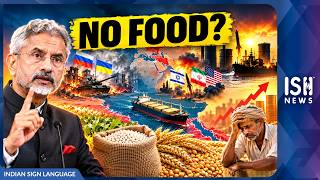
India’s External Affairs Minister Dr S. Jaishankar has warned that the world could face a major food crisis in the coming months.
Speaking at an event organised by the Asia Society in New York, Jaishankar said the Russia-Ukraine war and the conflict involving the US, Israel and Iran have affected the supply of fertilisers and the movement of grains. He said these conflicts could put pressure on energy, food, fertilisers and finance, creating difficulties for many countries.
What Is Happening to Global Food Supplies?
Russia is a major supplier of several agricultural products and fertilisers. The Russia-Ukraine war has also affected grain shipments through the Black Sea. Another major concern is the Strait of Hormuz, an important route for energy and agricultural inputs.
The Food and Agriculture Organization (FAO) has warned that a prolonged disruption in the Strait could lead to a severe global food-price crisis within six to 12 months. It has also warned that fertiliser shortages could reduce crop yields and tighten food supplies in late 2026 and into 2027.
Why Are Fertilisers Important?
Modern agriculture depends on several resources, including natural gas, fertilisers, diesel and electricity. Russia and countries in West Asia are important suppliers of energy and fertilisers. If wars disrupt these supplies, farmers in other countries could face higher costs or shortages. This could reduce crop production and eventually push food prices higher.
Could This Affect India?
Countries that depend heavily on food and agricultural imports could face greater risks.
India produces a large amount of its own food, which can provide some protection from global supply disruptions. However, India depends significantly on imports of edible oils, so this remains an area of concern. India is also dealing with a weak monsoon. The 2026 southwest monsoon ended with rainfall 12.6% below normal, making it the country's lowest monsoon rainfall since 2015.
What Is Super El Niño?
Jaishankar also warned about the possibility of a “Super El Niño.”
El Niño is a climate pattern that can change rainfall and weather conditions in different parts of the world. Strong El Niño conditions can affect farming by bringing unusual rainfall or dry conditions. India's 2026 monsoon was already affected by strengthening El Niño conditions.
Has the World Faced Food Crises Before?
Yes. Major global food crises have occurred at different times, including in:
- 1972–74
- 2007–08
- 2010–11
- 2020
- 2022
These crises had different causes, including conflicts, economic problems, supply disruptions and the COVID-19 pandemic. The Bengal Famine is another major example from history. Millions of people died in British India during the 1943 famine because of starvation, disease and other causes.
Today, the challenge remains serious. According to the FAO's 2026 report, around 645 million people faced hunger in 2025. A combination of war, rising energy and fertiliser costs, climate changes and supply disruptions could put further pressure on food security around the world.